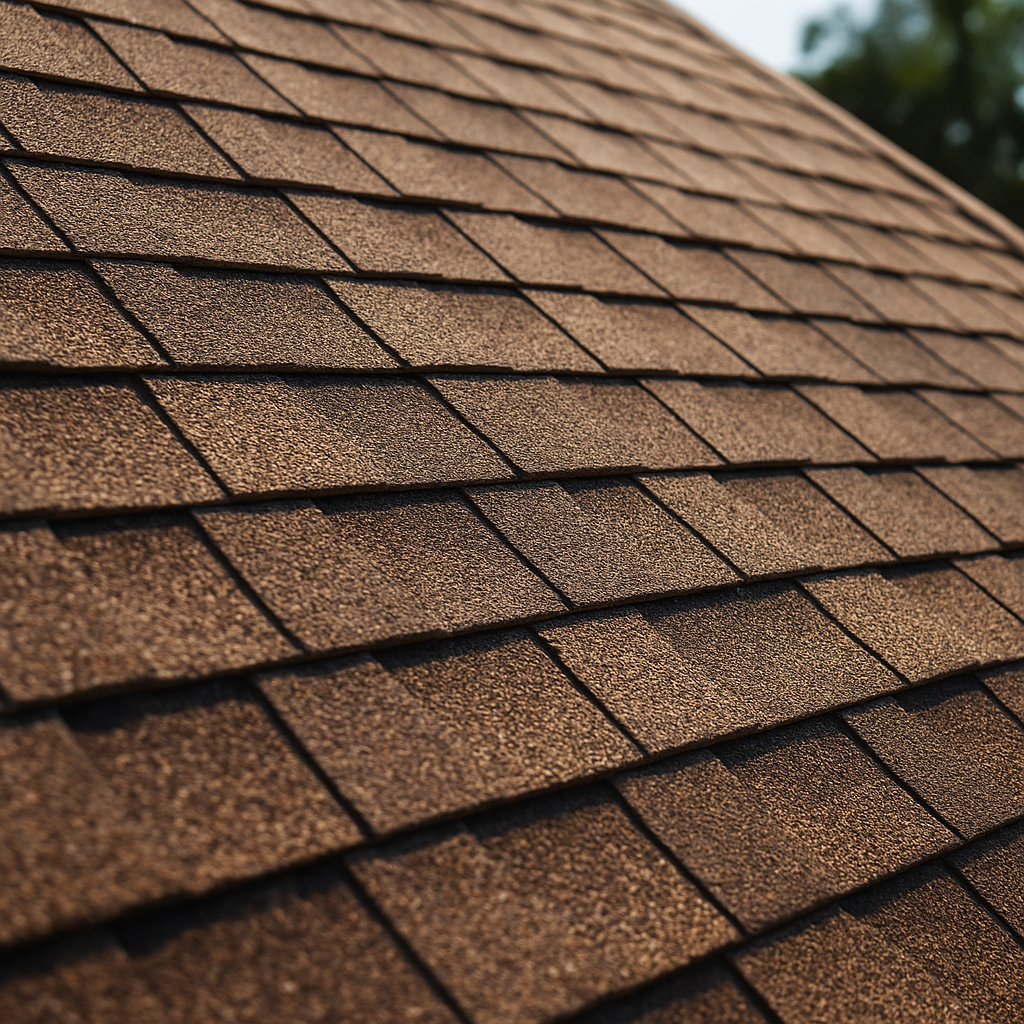
Asphalt shingles are the most common roofing material in the U.S. They’re versatile, affordable, and designed to handle decades of weather when properly installed. But here’s the detail many homeowners miss: shingles don’t work alone. Their performance is tied directly to the condition of the roof deck below them and the attic ventilation above them. When either of these is ignored, even high-end shingles fail before their time. When both are done right, shingles quietly protect your home for far longer than the average timeline suggests.
Attic Ventilation: The Quiet Protector
It doesn’t look like much from the outside, but your attic plays a huge role in the lifespan of shingles. Hot air rising from your living spaces collects there. Add direct summer sun, and temperatures can soar well above 120°F.
Without proper ventilation, that trapped heat radiates back into the underside of the roof deck. Shingles above absorb the stress. Asphalt softens, granules loosen, and the roof ages years faster than it should.
Good airflow—through ridge vents, soffit vents, or gable vents—changes the equation. Hot air exits. Cooler air replaces it. The deck stays closer to outdoor temperature instead of baking all day. It’s not glamorous, but it’s the hidden system that saves shingles from premature failure.
And it’s not only summer. In winter, poor ventilation traps moisture, creating condensation on rafters and sheathing. Over time, that moisture feeds mold, weakens wood, and undermines the shingle system from below.
Roof Deck Condition: The Foundation Beneath
Think of the roof deck as the stage where shingles perform. If that stage is warped, rotted, or uneven, shingles can’t seal or lie flat. Problems multiply quickly:
- Nails miss their bite or pull free too easily.
- Valleys of warped decking pool water where shingles were never meant to hold it.
- Rotting boards spread, loosening shingles as wood fibers give way.
A deck that’s strong, level, and dry gives asphalt shingles the surface they’re designed for. When that foundation is solid, shingles adhere, overlap, and resist the wind and rain as they should.
Contractors who take shortcuts and shingle over compromised decking hand you a roof that looks fine for a season but won’t last anywhere near the promised 20 or 30 years.
How to Spot Trouble Early
You don’t need to be on the roof to see hints of poor ventilation or weak decking. A few signs stand out:
- In the attic: if it feels stiflingly hot on a mild day, airflow is lacking.
- On the shingles: curling, buckling, or blistering can signal trapped heat or uneven surfaces.
- Inside the home: stains on ceilings or musty attic odors often tie back to condensation.
- From the yard: uneven rooflines or dips sometimes reveal failing boards beneath shingles.
These clues don’t mean disaster today, but they point to underlying problems that shorten shingle life.
Real-World Scenarios
Picture two houses in the Hudson Valley, both with new asphalt shingles. One attic is sealed tight, no vents, no airflow. By the second summer, shingles show early granule loss. The roof deck is baking from underneath, accelerating wear.
The second house has ridge vents and soffit vents, plus decking checked and replaced before shingles went on. Ten years later, the roof still looks strong. Same shingles, same climate, completely different outcomes. That’s the power of ventilation and deck quality.
What Quality Installation Includes
Professional roofers who prioritize long-term performance follow steps many homeowners never see:
- Inspecting every sheet of decking before shingles are installed. Replacing soft or warped boards on the spot.
- Installing underlayment correctly, which acts as a backup barrier.
- Using fasteners appropriate for the decking material to secure shingles tightly.
- Balancing ventilation intake and exhaust so airflow is continuous, not one-sided.
These measures aren’t optional—they’re what make the difference between a roof that lasts its full rated lifespan and one that falls short.
Why Homeowners Should Care
You might not climb into your attic or walk the roof deck, but these details still hit your wallet. A roof expected to last 25 years that fails at 15 means an entire replacement a decade early. That’s thousands of dollars lost.
With proper ventilation and a sound deck, shingles often exceed their rating, protecting a home quietly in the background. Neglect them, and you’ll be paying for repairs or full replacements much sooner than expected.
Smarter Questions to Ask Before a Roof Project
If you’re considering asphalt shingles, add a few questions for your roofer:
- How will you balance attic ventilation during installation?
- Will you inspect and repair or replace compromised deck boards?
- What underlayment system do you recommend, and why?
- Do you check for adequate intake (soffit) ventilation, or just install ridge vents?
The answers tell you whether the crew is focused on the roof you’ll see—or the structure that makes it last.
Long-Term Value Over Short-Term Cost
It’s tempting to focus only on shingle price and color. But the smartest investment is in what you don’t see: steady airflow above, solid decking below. These extend the lifespan of asphalt shingles, reduce repair calls, and protect your home from the stress of heat, moisture, and seasonal change. With HV Roofers, sustainable roofing isn’t just about material choice—it’s about installation practices that give those materials the environment they need to succeed. Ventilation and deck quality are the unsung partners in every shingle roof.