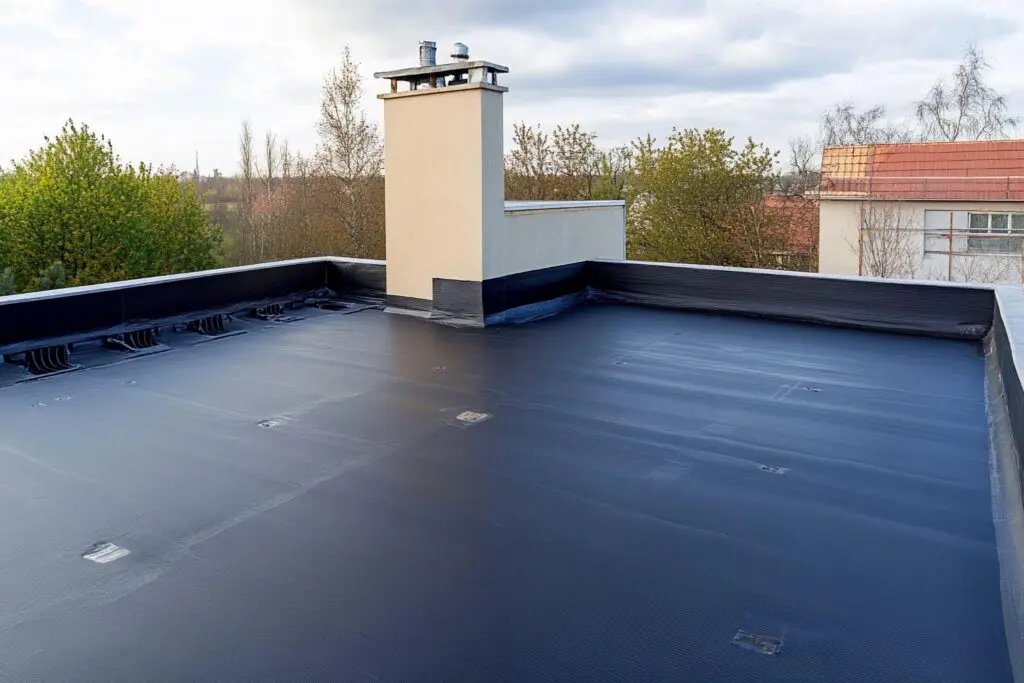
Flat roofs have never been very convenient for homeowners to work with. Because the water and debris are simply free to flow off the sloped roof, flat or low-slope roofs require extra emphasis on durability, water resistance, and long-term worth. For this reason, choosing an appropriate material for the roof is essential. Of all the options available, EPDM roofing is one of the most reliable choices, pitted against other flat roof systems such as TPO, PVC, and modified bitumen. It is only by knowing the differences that building owners and homeowners can make the best long-term investment.
What Is EPDM Rubber Roofing?
EPDM (ethylene propylene diene monomer) roofing is a synthetic rubber membrane specifically engineered for flat and low-slope roofs. With its heat resistance, elasticity, and resilience, it has been a commercial and residential darling for decades. Unlike some other flat roof products, EPDM popularity comes from its ease of installation and durability.
EPDM Roofing vs. TPO
TPO (thermoplastic polyolefin) is one of the most common flat roof coverings and is typically used on commercial properties. While both are single-ply membranes, there are distinct differences:
- Longevity: EPDM has a longer life than TPO, with an excellent record of 30–50 years under good maintenance. TPO roofs have a lifespan of 20–30 years.
- Flexibility: EPDM remains flexible even in freezing temperatures and is therefore less prone to crack. TPO will eventually be brittle.
- Energy Efficiency: TPO roofs are white naturally, and they reflect daylight. EPDM is typically black but can be installed with lighter colors of color by using coatings.
- Maintenance: Both need to be inspected regularly, but EPDM can be repaired more easily since patches adhere well to the rubber surface.
EPDM Roofing vs PVC
PVC (polyvinyl chloride) roofing is another single-ply membrane that has been in use for decades. The most notable differences are:
- Chemical Resistance: PVC may be well known to be chemical and oil resistant, which is useful for restaurants or factories. EPDM still resists breakdown by UV and will last longer than most but isn’t necessarily the first choice in super-chemical environments.
- Cost: EPDM will initially be cheaper, and PVC will be more expensive to install.
- Longevity: Both products can be in service for decades, although EPDM appears to need fewer exotic repairs.
EPDM Roofing vs Modified Bitumen
The modified bitumen roof incorporates layers of asphalt with polyester or fiberglass reinforcement. It’s a decent system but quite different from EPDM:
- Weight: Modified bitumen is heavier, while the lighter membrane of EPDM provides easier installation and generally faster installation.
- Seam Strength: EPDM has fewer seams when installed, which reduces the risk of water intrusion. Modified bitumen has more seams and needs to be sealed.
- Maintenance: Asphalt-based systems will blister or crack in the long term and require more maintenance compared to EPDM.
- Sustainability: EPDM can be recycled and has a lesser environmental impact compared to petroleum-based bitumen.
Why EPDM Roofing is so Widely Loved by so Many Owners
Based on comparisons, EPDM boasts several advantages:
- Proven track record of success in more than 40+ years in real application.
- Longer lifespan, normally lasting two times as long as other flat roof material.
- Cost savings, fewer replacements and less maintenance along its life.
- Simple installation and maintenance, labor saved.
Weather resistant, UV resistant, hail resistant, snow resistant, and resistant to high heat.
The components that consist of the same properties that cause most people to fall back on EPDM whenever they require reliability at low maintenance.
Selecting the Appropriate Alternative
Picking a flat roof material isn’t just about price—it’s about long-term protection, maintenance needs, and reliability against costly water damage. For many property owners, EPDM rubber roofing offers the ideal balance of performance, longevity, and cost when compared to TPO, PVC, or modified bitumen systems.
When planning a new installation or replacement, including EPDM among your flat roof options ensures you’re making an informed decision that safeguards your property for decades. With HV Roofers, you’ll have experts who can guide you through every step—helping you choose the roofing solution that fits your building, your budget, and your peace of mind.